
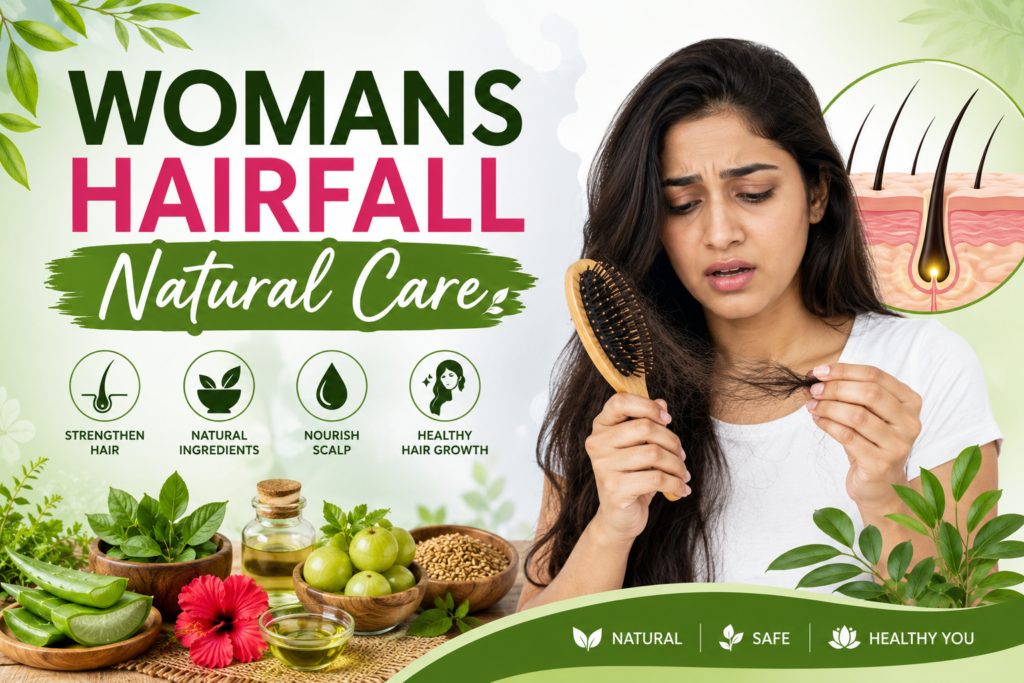
Woman’s HairFall: Causes, Care, and Natural Ways to Prevent Hair Loss
Hair is an important part of every woman’s confidence and personality. While losing 50–100 woman’s hairfall per day is considered normal, excessive hair fall can be a sign of an underlying issue. Stress, hormonal changes, poor nutrition, pollution, and unhealthy lifestyle habits are some of the most common reasons women experience hair loss.
The good news is that, in many cases, hair fall can be reduced by identifying the root cause and adopting healthy hair care practices. A balanced diet, proper scalp care, regular exercise, and stress management can all contribute to stronger, healthier hair.
In this article, we’ll explore the common causes of women’s hairfall, effective hair care tips, and natural ways to support healthy hair growth.
What Is Hair Fall?
Hair fall occurs when the rate of hair shedding exceeds the rate of new hair growth. This can lead to thinning hair, reduced hair volume, or noticeable bald patches in some cases.
Occasional hair shedding is normal, but persistent or excessive hair loss should be evaluated by a healthcare professional.
Common Symptoms of Excessive Woman’s HairFall
-
- Hair shedding while combing or washing
-
- Noticeable thinning of hair
-
- Widening of the hair parting
-
- Hair strands on pillows or clothing
-
- Weak or brittle hair
-
- Reduced hair volume
-
- Slow hair growth
Early attention can help prevent further woman’s hairfall.
1. Nutritional Deficiencies
Why Nutrition Matters
Hair follicles require a steady supply of nutrients to remain healthy. Deficiencies in protein, iron, zinc, biotin, Vitamin D, and Vitamin B12 can contribute to increased hair fall.
Hair-Healthy Foods
-
- Eggs
-
- Spinach
-
- Lentils
-
- Almonds
-
- Walnuts
-
- Pumpkin seeds
-
- Fish
-
- Yogurt
-
- Fresh fruits
-
- Green leafy vegetables
Benefits
✔ Stronger hair roots
✔ Reduced hair breakage
✔ Improved hair growth
✔ Better scalp health
A balanced diet supports both overall health and healthy hair.
2. Hormonal Changes
Hormonal fluctuations are a common cause of hair fall in women.
These changes may occur during:
-
- Pregnancy
-
- After childbirth
-
- Menopause
-
- PCOD/PCOS
-
- Thyroid disorders
Hormones influence the hair growth cycle, and imbalances can lead to temporary or prolonged hair shedding.
If hair loss is accompanied by irregular periods, weight changes, or fatigue, consult a healthcare professional for evaluation.
3. Stress and Emotional Health
Both physical and emotional stress can trigger temporary hair shedding, a condition known as telogen effluvium.
Common Stress Factors
-
- Lack of sleep
-
- Anxiety
-
- Major illness
-
- Surgery
-
- Emotional trauma
-
- Work-related pressure
Ways to Reduce Stress
-
- Meditation
-
- Yoga
-
- Deep breathing exercises
-
- Walking
-
- Spending time with family
-
- Reading or listening to relaxing music
Managing stress benefits your hair as well as your overall well-being.
4. Poor Hair Care Habits
Daily hair care practices have a major impact on hair health.
Habits That Can Damage Hair
-
- Frequent heat styling
-
- Tight hairstyles
-
- Excessive chemical treatments
-
- Harsh shampoos
-
- Overwashing the hair
-
- Vigorous towel drying
Healthy Hair Care Tips
✔ Use a mild shampoo suitable for your scalp.
✔ Apply conditioner to the hair lengths.
✔ Avoid excessive heat from styling tools.
✔ Use a wide-tooth comb on wet hair.
✔ Trim split ends regularly.
Gentle care helps reduce breakage and supports healthy growth.
5. Medical Conditions
Certain health conditions can contribute to hair fall, including:
-
- Iron-deficiency anaemia
-
- Thyroid disorders
-
- PCOD/PCOS
-
- Autoimmune conditions
-
- Scalp infections
If hair fall is sudden, severe, or associated with other symptoms, seek medical advice for proper diagnosis.
6. Lifestyle Factors
Modern lifestyles often affect hair health.
Common Lifestyle Causes
-
- Poor sleep
-
- Smoking
-
- Excessive alcohol
-
- Dehydration
-
- Lack of exercise
-
- Crash dieting
Healthy daily habits support stronger hair from the inside out.
Natural Hair Care Tips
Natural remedies can complement a healthy lifestyle, though they should not replace medical treatment when needed.
Coconut Oil Massage
A gentle scalp massage with coconut oil may help reduce hair breakage and keep hair moisturised.
Aloe Vera
Aloe vera gel may soothe the scalp and support healthy hair.
Amla (Indian Gooseberry)
Amla is rich in Vitamin C and antioxidants and is commonly used in traditional hair care.
Fenugreek Seeds
Fenugreek contains protein and nutrients that may support healthy-looking hair.
Onion Juice
Some small studies suggest onion juice may help certain types of hair loss, but it can also irritate the scalp. Use cautiously and discontinue if irritation occurs.
Always perform a patch test before applying any natural remedy to your scalp.
Best Foods for Healthy Hair
A nutrient-rich diet plays an important role in maintaining healthy hair.
Include:
-
- Eggs
-
- Fish
-
- Lentils
-
- Chickpeas
-
- Spinach
-
- Broccoli
-
- Carrots
-
- Citrus fruits
-
- Berries
-
- Nuts
-
- Seeds
-
- Whole grains
Drink Plenty of Water
Aim for adequate hydration throughout the day to support overall health and scalp hydration.
Daily Hair Care Routine for woman’s hairfall
Morning
-
- Eat a protein-rich breakfast.
-
- Stay hydrated.
-
- Protect your hair from excessive sun exposure if needed.
Afternoon
-
- Eat fresh fruits and vegetables.
-
- Avoid excessive sugary snacks.
Evening
-
- Exercise or go for a walk.
-
- Practice stress-relieving activities.
Night
-
- Gently comb your hair.
-
- Sleep for 7–9 hours.
Consistency is key to healthier hair.
Can Hair Fall Be Prevented?
Not every type of hair loss can be prevented, but many common causes can be managed through healthy habits.
You can reduce your risk by:
✔ Eating a balanced diet
✔ Managing stress
✔ Sleeping well
✔ Avoiding harsh hair treatments
✔ Exercising regularly
✔ Seeking medical advice for persistent hair loss
When Should You Consult a Doctor?
Consult a healthcare professional if you notice:
-
- Sudden or severe hair loss
-
- Bald patches
-
- Hair fall lasting more than three months
-
- Hair loss with scalp pain, redness, or scaling
-
- Hair fall accompanied by fatigue, irregular periods, or unexplained weight changes
Early diagnosis can help identify treatable causes.
Final Thoughts
Hair fall is a common concern for many women, but it doesn’t have to become a permanent problem. Understanding the causes of women’s hair fall and following proper hair care practices can significantly improve hair health.
A balanced diet, healthy lifestyle, stress management, and gentle hair care routines form the foundation of healthy hair. While natural remedies may offer additional support, persistent or severe hair loss should always be evaluated by a qualified healthcare professional.
Healthy hair starts with a healthy body. By making small, consistent changes to your daily routine, you can support stronger, shinier, and healthier hair over time.
Frequently Asked Questions (FAQs)
1. What is the most common cause of hair fall in women?
Common causes include nutritional deficiencies, hormonal changes, stress, poor hair care practices, thyroid disorders, and PCOD/PCOS.
2. Which vitamin deficiency causes hair fall?
Low levels of iron, Vitamin D, Vitamin B12, zinc, and biotin may contribute to hair loss in some people.
3. Can stress cause hair fall?
Yes. Physical or emotional stress can trigger temporary hair shedding.
4. Which foods help reduce hair fall?
Protein-rich foods, leafy green vegetables, fruits, nuts, seeds, eggs, fish, and legumes support healthy hair growth.
5. Can hair grow back after hair fall?
In many cases, yes. Hair often regrows once the underlying cause is identified and managed, although results depend on the specific condition.
we have the more natural solutions for Hair fall , further more detail contact with us